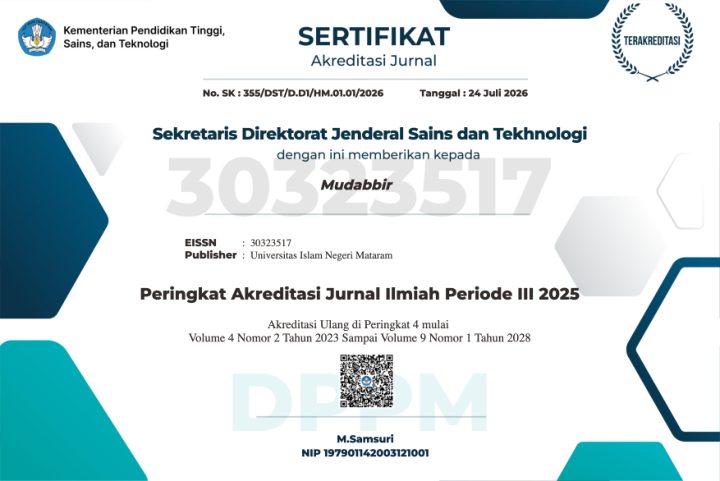
Peringkat 4
SK No. 355/DST/D.D1/HM.01.01/2026
Rahasia Tersembunyi di Balik Pola Scatter Mahjong Ways yang Jarang Diketahui Pemain
Teknik Membaca Aura Kemenangan Mahjong Ways 2 dari 10 Putaran Pertama Sesi
Strategi Mengubah Kekalahan Beruntun Jadi Jackpot Fantastis di Mahjong Ways
Metode Deteksi Dini Pola Gacor Mahjong Ways 3 Sebelum Pemain Lain Menyadarinya
Cara Membangun Mental Baja Saat Menghadapi Fase Kritis di Mahjong Ways 2
Pola Serangan Balik Efektif di Mahjong Ways Setelah Algoritma Merasa Tertekan
Rahasia Memicu Free Spin Mahjong Ways Secara Berulang dengan Teknik Interval
Strategi Membagi Modal Bermain Mahjong Ways 3 Agar Tahan Hingga 200 Spin
Teknik Membaca Bahasa Gulungan Mahjong Ways yang Sedang Berbisik Akan Maxwin
Metode Mempercepat Waktu Pecah di Mahjong Ways 2 Dengan Pola Manipulasi Kecepatan
Cara Menjinakkan Simbol Wild Mahjong Ways Agar Muncul di Momen yang Tepat
Strategi Memanfaatkan Momen Jeda Panjang di Mahjong Ways 3 untuk Menata Ulang Pola
Teknik Mengidentifikasi Pola Berulang Mahjong Ways yang Sering Dianggap Sepele
Rahasia Para Veteran Dalam Menaklukkan Mahjong Ways 2 Tanpa Perlu Modal Besar
Metode Akurasi Tinggi Memprediksi Lonjakan Multiplier di Mahjong Ways
Cara Membaca Sinyal Kemenangan dari Pola Simbol yang Berjejer di Mahjong Ways 3
Strategi Mengatur Nafas Bermain Mahjong Ways 2 Agar Tidak Terjebak Emosi Sesi
Teknik Membedah Setiap Reel Mahjong Ways Untuk Menemukan Titik Lemah Algoritma
Pola Jitu Menghadapi Fase Dingin Berkepanjangan di Mahjong Ways 3
Metode Menyusun Ulang Strategi di Tengah Jalan Saat Mahjong Ways Berubah Perilaku
Black Scatter Modal Minim Hasil Maksimal Begini Triknya
Black Scatter Starlight Princess 1000 Paling Gacor Saat Ini Buktikan Sendiri
Bocoran Rahasia Fitur Risky Starlight Princess 1000 Black Scatter Paling Menguntungkan
Bocoran Rahasia Rtp Gates Of Olympus Yang Sedang Naik
Cara Main Black Scatter Biar Scatter Muncul Terus
Cara Main Gates Of Olympus Biar Profit Konsisten Tiap Hari
Gates Of Olympus Bikin Ketagihan Ini Cara Bermain Bijak
Main Gates Of Olympus Jangan Asal Spin Ini Ritualnya
Rahasia Hitam Black Scatter Bikin Kaya Dalam Sekejap
Rahasia Symbol Tersembunyi Gates Of Olympus Pembawa Kekayaan
Cara Bermain Mahjong Sambil Jaga Kesehatan Atur Posisi Duduk & Istirahat yang Cukup!
Mau Balik Modal Cepat? Fokus ke One Suit Strategy yang Terbukti Ampuh
Cara Bermain Mahjong di Metaverse Pengalaman Virtual yang Beda Abis!
Cara Main Mahjong yang Benar untuk Selamanya Kuasai Prinsip Dasar, Adaptasi dengan Perubahan
Kesalahan Fatal yang Tanpa Disadari Bikin Anda Selalu Kalah Main Mahjong
Cara Main Mahjong Sebagai Investasi Waktu Hitung Expected Value Setiap Ronde!
Jangan Diabaikan! Peran Penting Tile Angin & Naga Dalam Kemenangan Mahjong
Main Tanpa Teori! Belajar Mahjong Langsung dari Pengalaman Trial & Error
Main Mahjong Bikin Pusing? Sederhanakan dengan Pendekatan Visual Ini
Kunci Kemenangan Sebenarnya Mengelola Kekalahan, Bukan Mengejar Keuntungan
Hati-Hati! 7 Kebiasaan Ini Bisa Bikin Anda Bangkrut Main Mahjong
Yang Dirahasiakan Senior! Ritual Sebelum Main Mahjong Biar Selalu Beruntung
Dari Zero Jadi Hero! Kisah Nyata Belajar Mahjong Hanya Dalam 3 Hari
Gak Cuma Skill! Persiapan Fisik yang Wajib Dilakukan Sebelum Turnamen Mahjong
Mengontrol Emosi! Cara Tetap Tenang Saat Mendapatkan Tile Jelek Beruntun
Cara Main Mahjong Biar Cepat Hafal Tile Gunakan Mnemonik & Asosiasi Ini!
Cara Bermain Mahjong untuk Generasi Z Konten TikTok dan YouTube Mana yang Bagus?
Main Pake Otak, Bukan Hoki! Aplikasikan Matematika Dasar di Meja Mahjong
Cara Main Mahjong Biar Dikenal Bangun Personal Brand sebagai Pemain yang Fair Play
Mengungkap Misteri Mahjong! Kenapa Tile Tertentu Susah Sekali Muncul?
Perhatian! Ini Dia Tanda-Tanda Mahjong Ways Lawan Sedang Bluffing di Hadapan Anda
Cara Main Mahjong Ways dengan VR/AR Seolah-Olah Pegang Tile Sungguhan!
Main di Platform Online? Waspadai Perbedaan Strategi dengan Mahjong Ways Darat
Cara Main Mahjong Ways di Meja Final Tekanan Tinggi? Anggap Seperti Main Biasa!
Jalan Pintas ke Kemenangan! Pahami Yaku atau Kombinasi Wajib di Mahjong Ways
Cara Main Mahjong Ways Biar Gak Bosan? Coba Variasi Rule yang Seru Ini!
Cara Main Mahjong Ways Anti-Stres Nikmati Prosesnya, Bukan Hasilnya!
Cara Bermain Mahjong Ways Ala Juara Dunia Mereka Ternyata Gak Main Aman!
Membongkar Mitos! Benarkah Main Mahjong Ways Malam Hari Bikin Lebih Beruntung?
Gak Ada Kata Telat! Kisah Inspiratif Mulai Belajar Mahjong Wins di Usia 40an
Cara Bermain Mahjong Wins untuk Melepas Penat Ternyata Bisa Jadi Terapi, lho!
Cara Main Mahjong Wins Lawan Pemain yang Lebih Jago? Jangan Takut, Manfaatkan Kelemahannya!
Cara Bermain Mahjong Wins dengan Intuisi Kapan Harus Percaya Firasat?
Kemenangan Sudah di Genggaman! Strategi Rahasia Mahjong Wins yang Bikin Ngiler
Taklukan Meja Hijau! Mental Juara Wajib Dimiliki Saat Main Mahjong Wins
Main Mahjong Wins Ala Detektif! Mengumpulkan Informasi dari Setiap Gerakan Lawan
Teknik Mematikan! Bikin Lawan Grogi dengan Gaya Main Mahjong Wins Slow Death
Membaca Tanda Alam! Prediksi Tile Mahjong Wins Berikutnya dari Kebiasaan Buang Lawan
Cara Bermain Mahjong Wins Saat Internet Lemot? Trik Tetap Fokus Tanpa Distraksi
Main Cerdas di Awal Ronde! Keputusan Penting yang Pengaruhi Akhir Game Mahjong Wins
Strategi Anti Mainstream! Cara Menang Mahjong Ways dengan Gaya Unik Anda Sendiri
Dibilang Susah? Main Mahjong Ways Ternyata Segampang Ini untuk Pemula!
Ternyata Simpel Banget! Bongkar Alur Logika Dibalik Game Mahjong Ways
Panduan Anti Gagal! Step by Step Menangkan Setiap Ronde Mahjong Ways
Gak Ada yang Ajarin? Belajar Otodadak Mahjong Ways dengan Metode Ini, Dijamin Paham!
Cara Main Mahjong Ways di Masa Depan Prediksi Perubahan Rule dan Teknologi
Tingkatkan Level Bermain Mahjong Ways! Latihan Membaca Tile Secara Cepat dan Akurat
Cara Main Mahjong Ways untuk Hadiah Besar Fokus ke Consistency, Bukan Sekali Menang!
Cara Main Mahjong Ways dengan Clock/Timer Jangan Grogi, Kelola Waktu dengan Bijak!
Cara Main Mahjong Ways Buat Ibu Rumah Tangga Manajemen Waktu Antara Urusan Rumah dan Hobi!
Kesempatan Emas! Cara Memanfaatkan Lucky Streak Secara Maksimal Di Mahjong Ways
Cara Main Mahjong Ways di Era AI Apakah Robot Akan Gantikan Posisi Manusia?
Cara Main Mahjong Ways Setelah Juara Tetap Rendah Hati dan Terus Belajar
Belajar dari yang Terbaik! Analisis Gameplay Juara Dunia Mahjong Ways
Cara Main Mahjong Ways Biar Rating Naik Analisis Setiap Kekalahan sebagai Bahan Belajar!
Awas, Jangan Sampai Ketipu! Tips Bedakan Pemula dan Pro Saat Main Mahjong Ways
Strategi Pancingan Mahjong Ways! Cara Mengelabui Lawan agar Membuang Tile yang Anda Butuhkan
Cara Main Mahjong Ways Biar Otak Tetap Encer Studi Bilang ini Latihan Otak Terbaik!
Jago Dalam Sekejap! Drill Sederhana untuk Tingkatkan Skill Mahjong Ways
Rahasia di Balik Tile! Filosofi dan Makna yang Pengaruhi Cara Bermain Mahjong Ways
Teknik Membaca Napas Permainan Mahjong Ways 2 Agar Tidak Mudah Terjebak Dead Spin
Strategi Timing 5 Detik Sebelum Spin Selesai di Mahjong Wins 3, Mitos atau Fakta?
Breakdown Pola Aneh di Mahjong Ways yang Sering Memunculkan Scatter Beruntun
Metode Eksperimen Turbo Spin vs Manual Spin di Mahjong Wins 2, Mana Lebih Cepat Pecah?
Cara Menjinakkan Simbol Koin Emas di Mahjong Ways Agar Berubah Jadi Wild Fantastis
Rahasia Membaca Sinyal Free Spin di Mahjong Wins dari Pola Putaran Sebelumnya
Teknik Intervensi Pola pada Mahjong Ways Saat Grafik Perkalian Sedang Merangkak Naik
Analisis Sesi Kritis Kapan Harus Gas dan Kapan Harus Rem di Mahjong Wins 3
Strategi Akurasi dalam Menentukan Target Hentak di Mahjong Ways Agar Tidak Boncos
Cara Mendeteksi Fase Overheat Pada Permainan Mahjong Wins 2 yang Sering Berujung Maxwin
Teknik Memanfaatkan Interval Spin Kosong untuk Menyusun Serangan Balik di Mahjong Ways
Pola Raid Scatter di Mahjong Wins 3 dengan Pendekatan Matematika Sederhana
Strategi Mengelabui Algoritma Mahjong Ways dengan Pola Taruhan Dinamis
Metode Identifikasi Zona Nyaman Bermain di Mahjong Wins Berdasarkan History RTP
Rahasia Para Pro Player Dalam Menghadapi Fase Badai di Mahjong Ways 2
Teknik Memisahkan Pola Fiksi dan Pola Fakta di Permainan Mahjong Wins 3
Cara Membaca Momentum Horisontal pada Gulungan Mahjong Ways Sebelum Free Spin
Strategi Efektif Menjinakkan RTP Liar di Mahjong Wins 2 Dengan Pendekatan 10 Spin Mati
Pola Serangan Fajar di Mahjong Ways 3, Benarkah Sesi Pagi Lebih Mudah Pecah?
Teknik Mengunci Kemenangan di Mahjong Wins Saat Multiplier Sedang Berputar Kencang
Mudabbir is a peer-reviewed national journal, available in print and online and published two times a year. This statement clarifies ethical behaviour of all parties involved in the act of publishing an article in this journal, including the author, the chief editor, the editorial board, the peer-reviewer and the publisher of Center for Research and Community Service FDIK UIN MATARAM.
Ethical Guideline for Journal Publication
The publication of an article in a peer-reviewed MUDABBIR is an essential building block in the development of a coherent and respected network of knowledge. It is a direct reflection of the quality of the work of the authors and the institutions that support them. Peer-reviewed articles support and embody the scientific method. It is therefore important to agree upon standards of expected ethical behavior for all parties involved in the act of publishing: the author, the journal editor, the peer reviewer, the publisher and the society.
Publication Decisions
The editor of the MUDABBIR is responsible for deciding which of the articles submitted to the journal should be published. The validation of the work in question and its importance to researchers and readers must always drive such decisions. The editors may be guided by the policies of the journal’s editorial board and constrained by such legal requirements as shall then be in force regarding libel, copyright infringement and plagiarism. The editors may confer with other editors or reviewers in making this decision.
Fair Play
An editor at any time evaluate manuscripts for their intellectual content without regard to race, gender, sexual orientation, religious belief, ethnic origin, citizenship, or political philosophy of the authors.
Confidentiality
The editor and any editorial staff must not disclose any information about a submitted manuscript to anyone other than the corresponding author, reviewers, potential reviewers, other editorial advisers, and the publisher, as appropriate.
Disclosure and Conflicts of Interest
Unpublished materials disclosed in a submitted manuscript must not be used in an editor’s own research without the express written consent of the author.
Duties of Reviewers
Contribution to Editorial Decisions
Peer review assists the editor in making editorial decisions and through the editorial communications with the author may also assist the author in improving the paper.
Promptness
Any selected referee who feels unqualified to review the research reported in a manuscript or knows that its prompt review will be impossible should notify the editor and excuse himself from the review process.
Confidentiality
Any manuscripts received for review must be treated as confidential documents. They must not be shown to or discussed with others except as authorized by the editor.
Standards of Objectivity
Reviews should be conducted objectively. Personal criticism of the author is inappropriate. Referees should express their views clearly with supporting arguments.
Acknowledgement of Sources
Reviewers should identify relevant published work that has not been cited by the authors. Any statement that an observation, derivation, or argument had been previously reported should be accompanied by the relevant citation. A reviewer should also call to the editor's attention any substantial similarity or overlap between the manuscript under consideration and any other published paper of which they have personal knowledge.
Disclosure and Conflict of Interest
Privileged information or ideas obtained through peer review must be kept confidential and not used for personal advantage. Reviewers should not consider manuscripts in which they have conflicts of interest resulting from competitive, collaborative, or other relationships or connections with any of the authors, companies, or institutions connected to the papers.
Duties of Authors
Reporting Standards
Authors of reports of original research should present an accurate account of the work performed as well as an objective discussion of its significance. Underlying data should be represented accurately in the paper. A paper should contain sufficient detail and references to permit others to replicate the work. Fraudulent or knowingly inaccurate statements constitute unethical behaviour and are unacceptable.
Originality and Plagiarism
The authors should ensure that they have written entirely original works, and if the authors have used the work and/or words of others that this has been appropriately cited or quoted.
Multiple, Redundant, or Concurrent Publication
An author should not in general publish manuscripts describing essentially the same research in more than one journal or primary publication. Submitting the same manuscript to more than one journal concurrently constitutes unethical publishing behaviour and is unacceptable.
Acknowledgement of Sources
Proper acknowledgment of the work of others must always be given. Authors should cite publications that have been influential in determining the nature of the reported work.
Authorship of the Paper
Authorship should be limited to those who have made a significant contribution to the conception, design, execution, or interpretation of the reported study. All those who have made significant contributions should be listed as co-authors. Where there are others who have participated in certain substantive aspects of the research project, they should be acknowledged or listed as contributors. The corresponding author should ensure that all appropriate co-authors and no inappropriate co-authors are included on the paper, and that all co-authors have seen and approved the final version of the paper and have agreed to its submission for publication.
Disclosure and Conflicts of Interest
All authors should disclose in their manuscript any financial or other substantive conflict of interest that might be construed to influence the results or interpretation of their manuscript. All sources of financial support for the project should be disclosed.
Fundamental errors in published works
When an author discovers a significant error or inaccuracy in his/her own published work, it is the author’s obligation to promptly notify the journal editor or publisher and cooperate with the editor to retract or correct the paper.

Peringkat 4
SK No. 355/DST/D.D1/HM.01.01/2026
Terindeks di
Sekretariat
Gedung Fakultas Dakwah dan Ilmu Komunikasi, UIN Mataram
Jl. Gajah Mada No. 100, Jempong Baru, Sekarbela, Kota Mataram, Nusa Tenggara Barat